


Menopause: Is Changing Desire Normal?
For millions of women, menopause brings a quiet, disorienting shift in desire that few feel comfortable discussing. Gynecological endocrinologists explain why these changes are not dysfunction but physiological recalibration, and how understanding the evolving nature of desire can transform this transition from silent struggle into a journey of self-discovery and renewed intimacy.

Trying to Conceive: How to Keep Intimacy Alive When Baby-Making Becomes the Focus
When trying to conceive turns intimacy into a scheduled task, couples often lose the very closeness that brought them together. This expert-guided exploration examines how fertility journeys reshape desire, why OB-GYNs urge couples to protect their emotional connection alongside their reproductive goals, and gentle ways to reclaim warmth when the calendar starts running the bedroom.


When Your Partner Wants ‘More Variety’: How to Respond
When a partner asks for more variety in your intimate life, the instinct is often to hear criticism. But intimacy therapists see it differently — as a sign of trust and emotional safety. This piece explores how to move through that vulnerable conversation with curiosity, honesty, and genuine connection, transforming a moment of uncertainty into deeper closeness.
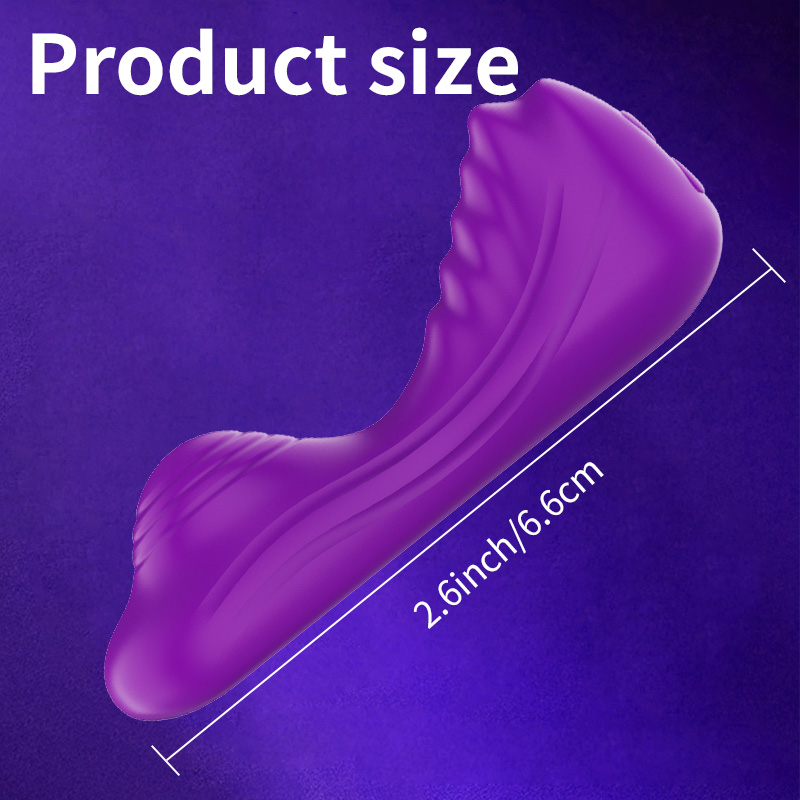
New Year Wellness Resolutions That Actually Stick: A Practical Guide to Self-Care Goals You Can Keep
Most new year wellness resolutions fail because they rely on willpower instead of pleasure. This guide offers a science-backed approach to self care goals that actually stick, built around micro-habits, sensory wellness, and intentional body connection. Learn seven practical strategies to make this the year your self-care routine becomes a lasting part of daily life.
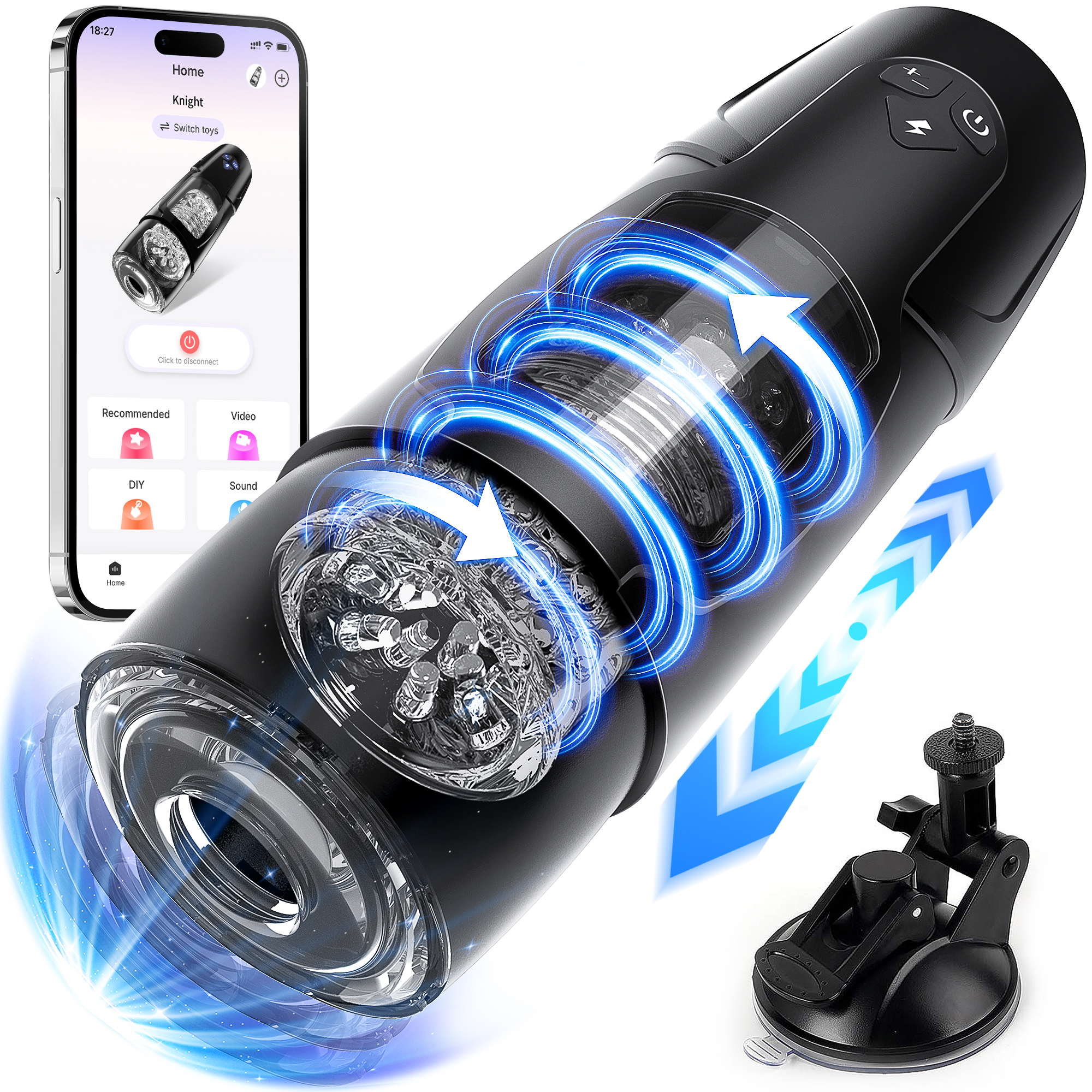

Jasmine Rose vs Rose Wand vs Lip Rose: The Rose Lineup Compared
Comparing three popular rose-shaped intimate wellness devices from HiMoment: the Jasmine Rose with air pulse suction, the Rose Wand with deep vibrations, and the budget-friendly Lip Rose. This rose vibrator comparison covers features, pricing, and ideal use cases to help you find the best rose toy for your lifestyle.

First Time Buying a Wellness Device Online: What to Expect
Buying a vibrator online for the first time can feel daunting, but modern wellness retailers make the process private, safe, and simple. This guide covers everything from choosing body-safe materials and reading reviews to understanding discreet packaging and fast shipping, so you can shop with complete confidence.
The Rise of Intimate Wellness: Industry Trends Shaping 2026
The intimate wellness industry in 2026 has evolved into a mainstream pillar of self-care, driven by medical-grade materials, smart technology, and gender-inclusive design. This overview explores the major adult wellness market trends reshaping how consumers approach sexual health, from body-safe silicone standards to discreet domestic shipping, and offers guidance for making informed purchases.

Why Some People Feel ‘Post-Coital Sadness’ — And What It Really Means
That unexpected wave of sadness after intimacy has a name: post coital dysphoria. Far more common than most people realize, it affects all genders and relationship types. With insights from sex therapists and emotional wellness research, we explore why it happens, what it means, and how understanding these post sex emotions can become a powerful act of self-awareness.

What Is Sexual Self-Efficacy and How to Build It
Sexual self-efficacy is the quiet confidence that lets you show up fully in intimate moments — trusting your own voice, your own boundaries, and your own desires. Sex psychologists explain what it really means, why so many of us struggle with it, and how small, honest practices can help you build lasting confidence from the inside out.

Are Sexual Fantasies Normal? What a Sex Therapist Wants You to Know
Sexual fantasies are among the most universal yet least discussed aspects of human psychology. With guidance from sex therapists, this article explores why fantasy is a natural part of emotional life, how to distinguish fantasy vs reality, and how self-compassion — not shame — is the healthiest response to your own inner world.